 how-to
Reflective Roof Restoration Energy Savings Data
Last Updated: October 24, 2026
Quick Summary
Reflective roof restoration energy savings data shows that savings vary widely by climate zone, insulation level, utility rates, and whether results are modeled or measured. A reflective roof coating lowers roof-surface temperature and reduces cooling load, with the largest effect on low-slope commercial roofs that are lightly insulated.
- Savings are largest on dark, lightly insulated low-slope roofs and smallest on heavily insulated roofs.
- Ask whether a quoted savings figure was modeled or measured from utility bills.
- Use the low end of a published savings range for planning and the high end only as upside.
- Higher insulation R-value shrinks the heat flow a coating can block, lowering savings.
- Skipping repairs before coating is the most common cause of early coating failure.
Table of Contents
- How Reflective Roof Coatings Cut Cooling Loads
- Cool Roof Energy Savings Data: What Studies Actually Show
- Using a Roof Coating Energy Savings Calculator
- Commercial Roof Restoration vs Replacement: The Decision
- The Restoration Process, Step by Step
- Reflective Roof Coating Maintenance and Performance Verification
- Frequently Asked Questions
How Reflective Roof Coatings Cut Cooling Loads
Reflective roof restoration energy savings data starts with one simple fact: a dark roof absorbs solar radiation and turns it into heat.
At GM Systems Commercial Roofing, we explain it this way to facility teams: you are not cooling the sky, you are cooling a building that sits under a hot plate.
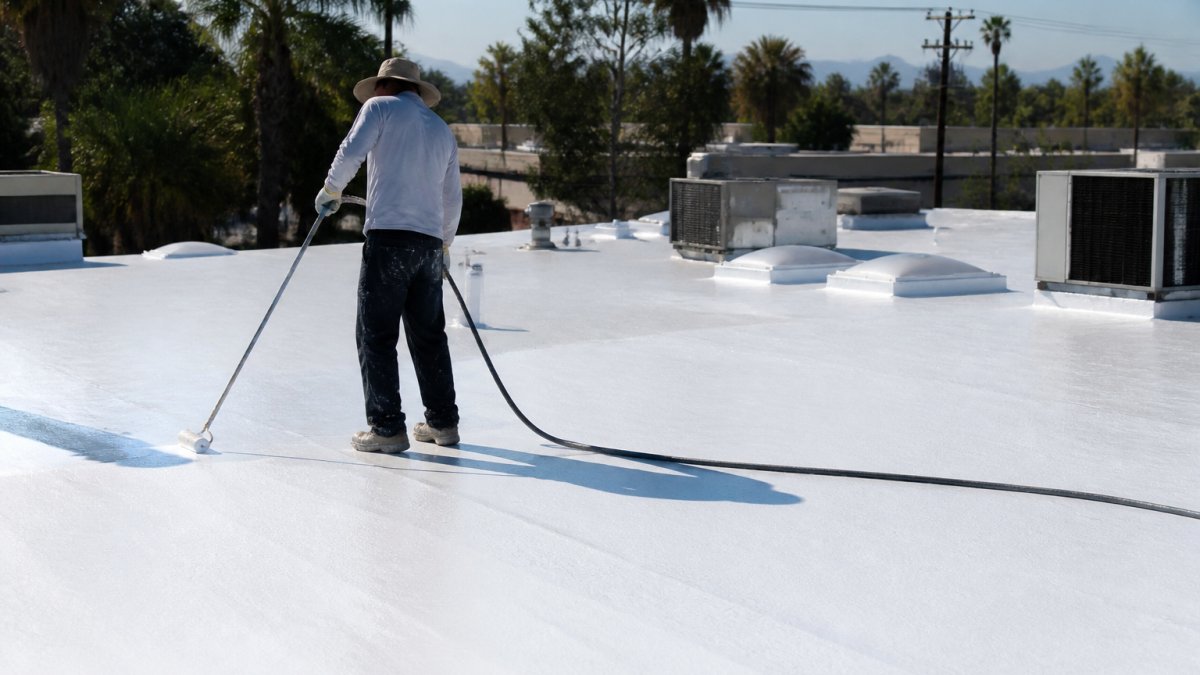
A reflective roof coating is a liquid-applied membrane that reflects sunlight and releases absorbed heat, lowering roof-surface temperature and reducing the cooling load on the HVAC system below.
The mechanism has three parts:
- Solar reflectance measures how much sunlight bounces off the surface.
- Thermal emittance measures how well the surface radiates absorbed heat back to the sky.
- Surface temperature is the result. Higher reflectance plus higher emittance equals a cooler roof.
Solar Reflectance, Thermal Emittance, and Surface Temperature
A white coating can reflect most of the sun's energy during peak hours. The remaining heat radiates away faster when emittance is high.
That combination lowers roof temperature, which lowers heat flow into the conditioned space.
The effect is largest on low-slope commercial roofs with ductwork or equipment in the attic space. It is smallest on roofs with heavy insulation already in place.
Cool Roof Energy Savings Data: What Studies Actually Show
Savings figures for cool roof projects vary widely, and that range confuses buyers. The honest answer: measured savings depend on climate zone, insulation level, utility rates, and how the study measured results. A single headline percentage cannot survive all four variables at once, which is why two credible studies of similar buildings can land far apart.
For citable federal statistics on roof heat and building energy, see our commercial roof heat and energy statistics page.
Why the Ranges Spread: Five Study Conditions
Five conditions explain most of the spread between published figures. Read any savings claim against all five before you apply it to a budget.
- Climate and cooling-degree days. A building with a long, intense cooling season has more hours in which a cooler roof surface reduces HVAC run time. A mild-summer building has fewer. The same coating, same reflectance, produces very different annual totals.
- Baseline roof and insulation level. Savings are measured against what the roof would have done without the coating. A dark, lightly insulated roof has a high baseline heat gain, so the coating has more to remove. A roof already at high R-value has little heat flow left to block, so the percentage saved is small even when the coating performs exactly as specified.
- Building type and internal loads. Warehouses, big-box retail, and low-rise offices with ductwork and air handlers in the plenum or attic see the coating's effect most directly. Buildings with conditioned space separated from the roof deck, or with dominant internal heat gains from equipment and lighting, see less.
Reconciling the Savings Ranges by Study Conditions
Treat any headline percentage as a ceiling, not a promise. A cool roof in a hot climate with light insulation can cut cooling costs noticeably. The same coating on a heavily insulated building in a mild climate may barely move the meter.
That is not a failure. It is physics.
The U.S. Department of Energy's cool roofs guidance frames savings as climate- and building-dependent, which matches what we see in practice.
A Simple Way to Sanity-Check a Published Figure
You do not need an energy model to pressure-test a savings claim. Use this back-of-envelope check:
- Estimate your annual cooling electricity. Pull twelve months of utility bills and isolate the cooling-season months. If you have submetering on the HVAC, use it.
- Estimate the roof-driven share. In a low-rise commercial building with a dark roof and moderate insulation, roof heat gain is typically a meaningful but not dominant slice of cooling load. If the published claim implies the coating removes more cooling load than your roof could plausibly contribute, the claim is overstated for your building.
- Apply the claim as a range, not a point. If a study reports a savings range, use the low end for planning and the high end only as upside.
- Convert to dollars at your own rate. Multiply the kilowatt-hour savings by your actual utility rate, including demand charges if your tariff has them. A percentage saved at a low rate is a smaller dollar figure than the same percentage at a high rate.
This check will not replace a professional assessment, but it will tell you quickly whether a quoted figure is in the right neighborhood for your building, or whether it was lifted from a best-case study and applied without conditions.
Using a Roof Coating Energy Savings Calculator
A roof coating energy savings calculator estimates annual savings from a few inputs. It is a planning tool, not a guarantee. The value is not the final number, it is the discipline of forcing your assumptions into the open where you can test them.
Most calculators ask for:
- Roof area and reflectivity of the current surface
- Climate zone or location
- Insulation level (R-value)
The output is usually a range of annual energy savings and a simple payback period. Feed it conservative inputs. If the calculator shows a payback you like at low savings, the project is worth a closer look.
How Each Input Moves the Output
Understanding the direction and rough magnitude of each input is more useful than trusting any single calculator's output.
- Roof area. Savings scale roughly with the roof area exposed to sun. Doubling the coated area roughly doubles the potential heat-gain reduction, all else equal.
- Reflectance change. What matters is the difference between the current surface reflectance and the coated surface reflectance, not the coating's rated reflectance alone. Going from a dark membrane to a high-reflectance white coating is a large change; recoating an already-white roof is a small one.
- Insulation R-value. Higher R-value shrinks the heat flow the coating can block, so savings fall as insulation rises. This is the input most often set unrealistically low in optimistic projections.
A Worked Example of the Arithmetic
Calculators hide the math, so here is the shape of it in plain terms. The exact coefficients vary by tool and climate, but the structure is consistent:
- Start with annual cooling electricity. Suppose submetering or bill analysis shows the building uses a known number of kilowatt-hours per year for cooling.
- Estimate the roof-driven share. Apply the share of cooling load attributable to roof heat gain for your building type and insulation level. This is the fraction the coating can influence.
- Apply a reduction factor. The coating reduces that roof-driven share by an amount tied to the reflectance change and climate. Use a conservative factor, not the best-case one.
- Multiply by your utility rate. The result is annual dollar savings before any demand-charge effect.
- Divide installed cost by annual savings. The result is simple payback in years.
Run the same arithmetic three times, low, mid, and high savings assumptions, and look at the payback range rather than a single number. A project that pays back comfortably even at the low assumption is a stronger candidate than one that only works at the high assumption.
From Calculator to Decision
The calculator's job is to tell you whether a full assessment is worth the money, not to justify the project on its own. If the conservative case shows a payback you can live with, move to a professional condition assessment and a weather-normalized measurement plan.
For the measurement side of the equation, how to compare utility bills before and after restoration while accounting for weather, occupancy, and HVAC changes, see the maintenance and verification guidance below.
Commercial Roof Restoration vs Replacement: The Decision
The commercial roof restoration vs replacement call comes down to the roof membrane's condition, not its age. A roof with sound insulation and a failing surface can often be restored.
Restoration costs less per square foot than replacement and avoids tearing off existing materials. Replacement resets the clock but carries a much higher cost per square foot and disruption to building operations.
| Factor | Restoration | Replacement |
|---|---|---|
| Cost per square foot | Lower | Higher |
| Disruption | Minimal | Significant |
| Best for | Sound membrane, surface wear | Saturated insulation, structural damage |
| Lifespan added | Years, with maintenance | Full new service life |
For a deeper framework, read our guide on when commercial roof restoration pays off.
When Restoration Is the Wrong Call
Restoration fails when the roof has problems a coating cannot fix. Watch for:
- Wet or saturated insulation
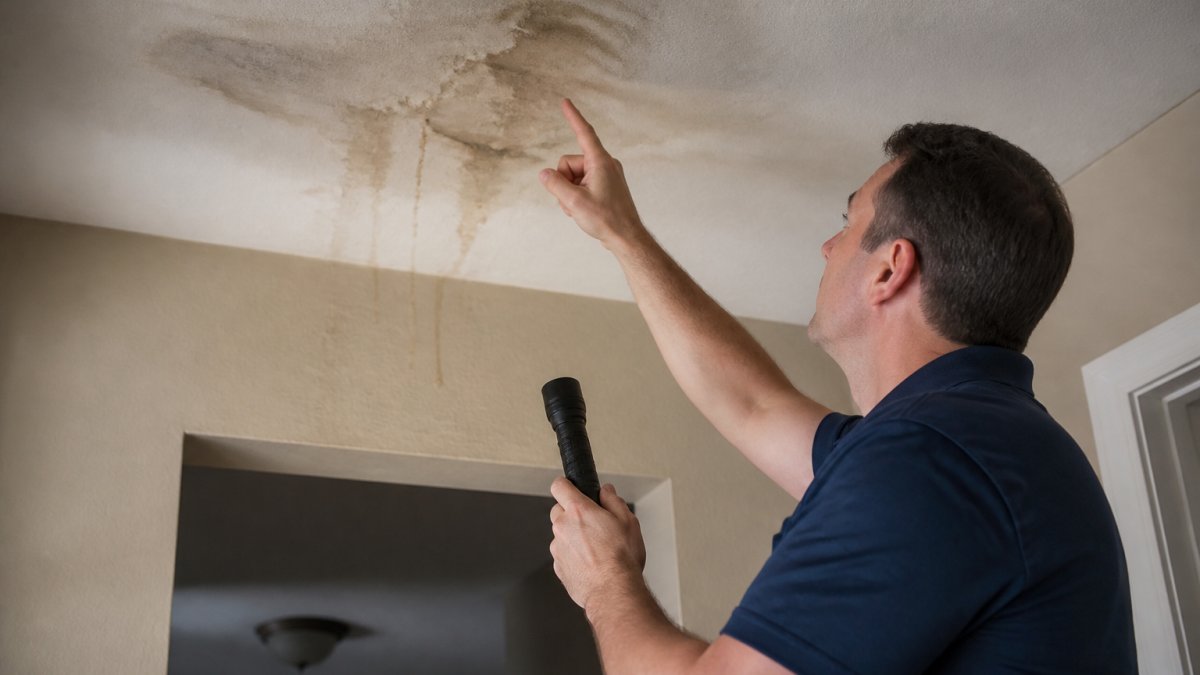
- Active leaks with unknown source
- Blistering or widespread membrane failure
A proper condition assessment catches these before you spend money on a coating that will not last. Our guide to roof condition assessment for commercial buildings covers what a useful assessment should document.
The Restoration Process, Step by Step
Here is the sequence we follow on a reflective roof restoration project.
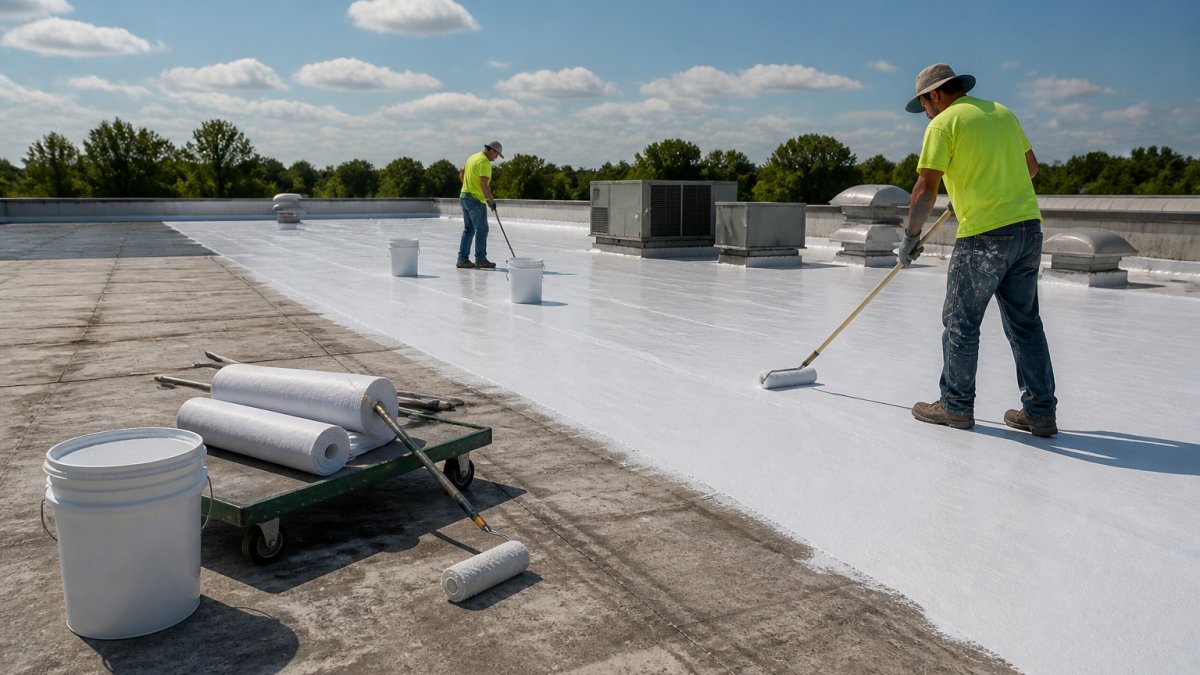
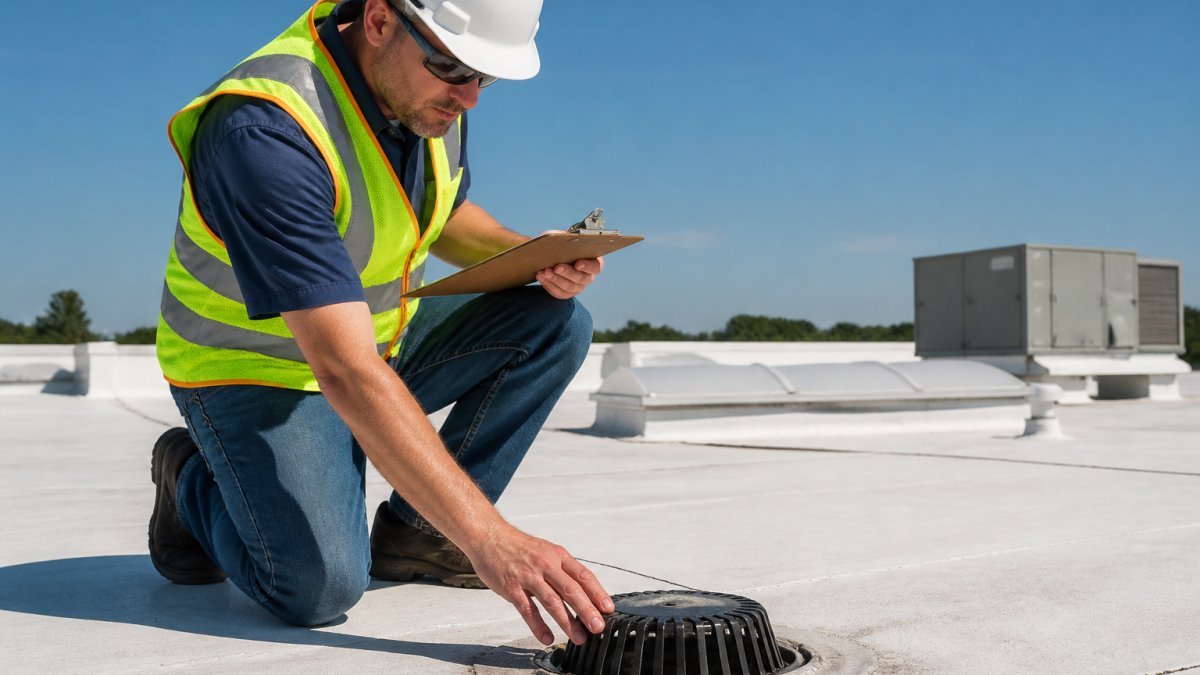
- Assessment. Inspect the roof, core-sample the insulation, and document deficiencies.
- Repairs. Fix leaks, seams, and flashing before any coating goes down.
- Cleaning. Remove dirt, debris, and loose material so the coating bonds.
- Priming. Apply primer where the membrane requires it.
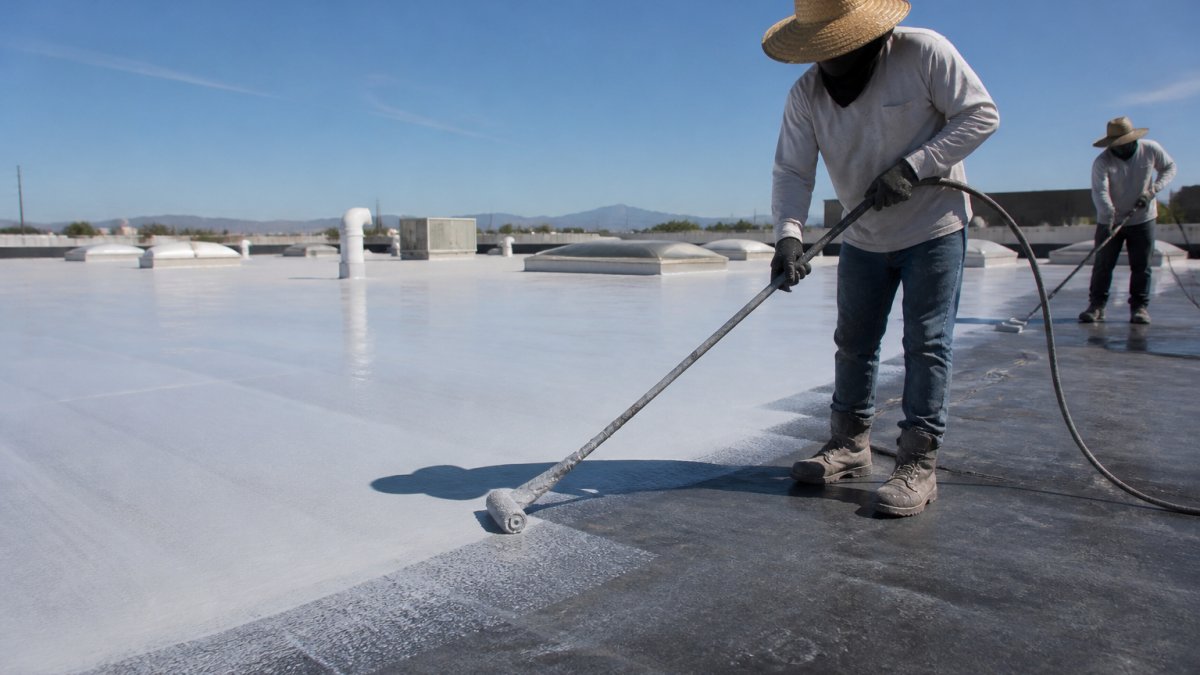
- Coating. Apply the specified coats at the correct thickness.
- Inspection. Verify coverage and thickness, then document the finished system.
Skipping step two is the most common cause of early coating failure. Coating over a wet roof traps moisture.
Reflective Roof Coating Maintenance and Performance Verification
Reflective roof coating maintenance keeps the system performing. Dirt, ponding water, and foot traffic all reduce reflectance over time.
A practical routine:
- Inspect drainage twice a year and after major storms
- Clear debris from drains and scuppers
- Limit traffic to protected walkways
For a full checklist, see our commercial roof coating maintenance guide.
Verification is the part most owners skip. Compare utility bills before and after the project, adjust for weather, and track roof temperature with a spot reading. If reflectance has dropped, a cleaning or recoat restores performance.
Frequently Asked Questions
How much energy can a reflective roof coating save?
Savings vary widely with climate, insulation, and building use. Buildings in hot climates with heavy air-conditioning loads and poorly insulated roofs see the largest reductions, while well-insulated buildings in mild climates see less. Reported cooling-energy savings in field studies generally land in the single digits to low double digits as a percentage of total cooling use, with peak cooling demand dropping more sharply than annual consumption. Treat any single headline percentage with caution until it is matched to your roof area, climate zone, and utility rates.
How can building owners estimate savings from a roof restoration?
Start with your last 12 months of electricity bills to establish energy use intensity and cooling-season consumption. A roof coating energy savings calculator then combines roof area, current reflectance, climate zone, insulation levels, and local utility rates to produce an annual savings estimate and payback period. Use the calculator as a screening tool, not a guarantee. Ask for the assumptions behind the number, then confirm with measured data after installation by comparing cooling-season kilowatt-hours before and after.
Is roof restoration more cost-effective than roof replacement?
Restoration usually costs less per square foot than replacement and can extend roof lifespan by years when the existing membrane and deck are sound. It is the better financial call when the roof has isolated defects, ponding, or seam failures rather than saturated insulation or widespread substrate damage. If moisture surveys show wet insulation across large areas, restoration will trap that moisture and fail early, making replacement the honest answer.
How should a reflective roof be maintained to preserve performance?
Dirt, ponding water, and equipment traffic all reduce solar reflectance over time. Schedule semiannual inspections that clear drains, remove debris, and check coating thickness at high-traffic areas. Recoat worn sections before the substrate shows through, and keep a reflectance reading on file so you can document performance. Maintenance is also the moment to photograph and log any new penetrations, since every cut in the membrane is a future leak path.
Roof restoration decisions get easier when the data is clear. If you are weighing a reflective coating against replacement, GM Systems Commercial Roofing can help. We specialize in energy-efficient reflective roof restoration, proactive roof analysis and maintenance planning, and targeted leak repair, all aimed at extending the life of your existing roof. Request a free roof analysis and get a clear, data-backed picture of your roof's condition.