 how-to
Proactive Roof Maintenance for Schools: A Step-by-Step Plan
Last Updated: October 23, 2026
Quick Summary
Proactive roof maintenance for schools is a scheduled program of inspections, cleaning, and small repairs designed to catch problems before they become leaks. Schedule inspections twice a year, once in spring and once in fall, and add a walk-through after any major storm. Grade every finding as Monitor, Repair, or Urgent so each walk becomes a work order queue.
- A documented, graded roof walk takes 60 to 90 minutes on a typical school roof.
- A roof past its expected lifespan needs quarterly checks instead of twice a year.
- Keep the maintenance plan template to one page so a custodian can follow it without training.
- Fund routine maintenance as a fixed annual line and grow a separate reserve for replacement.
- Volunteers should never walk a school roof; roof-level work belongs to qualified crews.
Table of Contents
- Why Proactive Roof Maintenance for Schools Beats Emergency Repairs
- The School Roof Inspection Checklist Every Facility Director Needs
- How to Set Commercial Roof Inspection Frequency for School Buildings
- Build a Roof Maintenance Plan Template That Your Crew Can Follow
- Gutter, Drainage, and Flashing Checks That Prevent Water Damage
- How to Build a School District Roofing Budget That Survives a Decade
- Safety and Documentation Rules for Volunteer and In-House Roof Work
- Conclusion: Turn Proactive Roof Maintenance for Schools Into a Calendar Item
- Frequently Asked Questions
Why Proactive Roof Maintenance for Schools Beats Emergency Repairs
Proactive roof maintenance for schools is a scheduled program of inspections, cleaning, and small repairs designed to catch problems before they become leaks. This guide from GM Systems Commercial Roofing walks you through building one that fits a real school budget and calendar.
The math is simple. A planned repair costs far less than an emergency one. A leak found in October is a bucket in a classroom by January.
Emergency repairs also arrive at the worst time. They hit during the school year, when classrooms must stay dry and open. They hit the budget mid-cycle, when funds are already committed.
Proactive care flips that order. You spend small amounts on a schedule. You avoid the big, unplanned bill.
Here is what most guides get wrong: they treat maintenance as a checklist you finish. It is not. It is a calendar you keep.
The School Roof Inspection Checklist Every Facility Director Needs
A school roof inspection checklist is a written list your team works through twice a year. It covers shingles, flashing, drains, and seals. The goal is to document condition, not to fix everything on the spot.
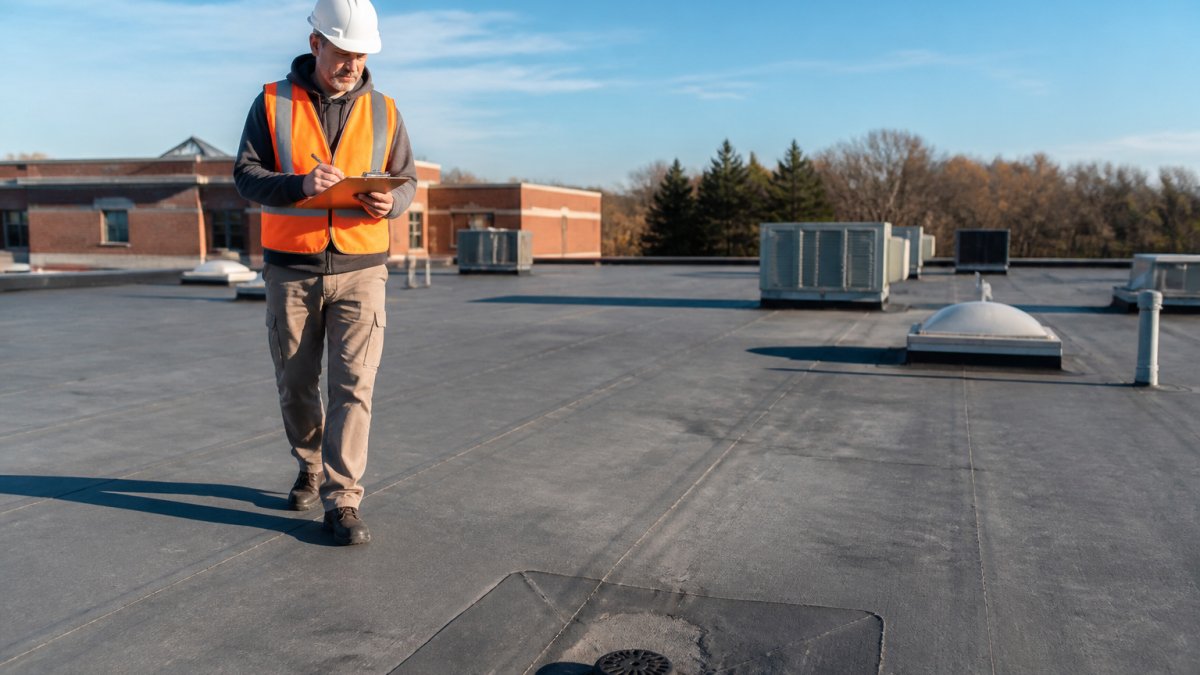
What separates a useful checklist from a filed-and-forgotten one is severity grading. Every item should be scored, not just checked off. Use a simple three-tier scale: Monitor (note it, re-check next visit), Repair (schedule within the quarter), and Urgent (address before the next rain event). That single change turns a walk into a work order queue.
Work through these items on every visit:
- Walk the roof edge and note loose or lifted material, grade Monitor or Repair
- Check shingle damage: cracks, missing tabs, bald spots, count affected squares
- Inspect flashing at walls, vents, and chimneys, probe sealant by hand
- Look for sealant failure around penetrations, photograph each failed joint
- Clear debris from drains and scuppers, note any standing water depth
- Check gutters and downspouts for clogs and sag, confirm discharge runs away from the foundation
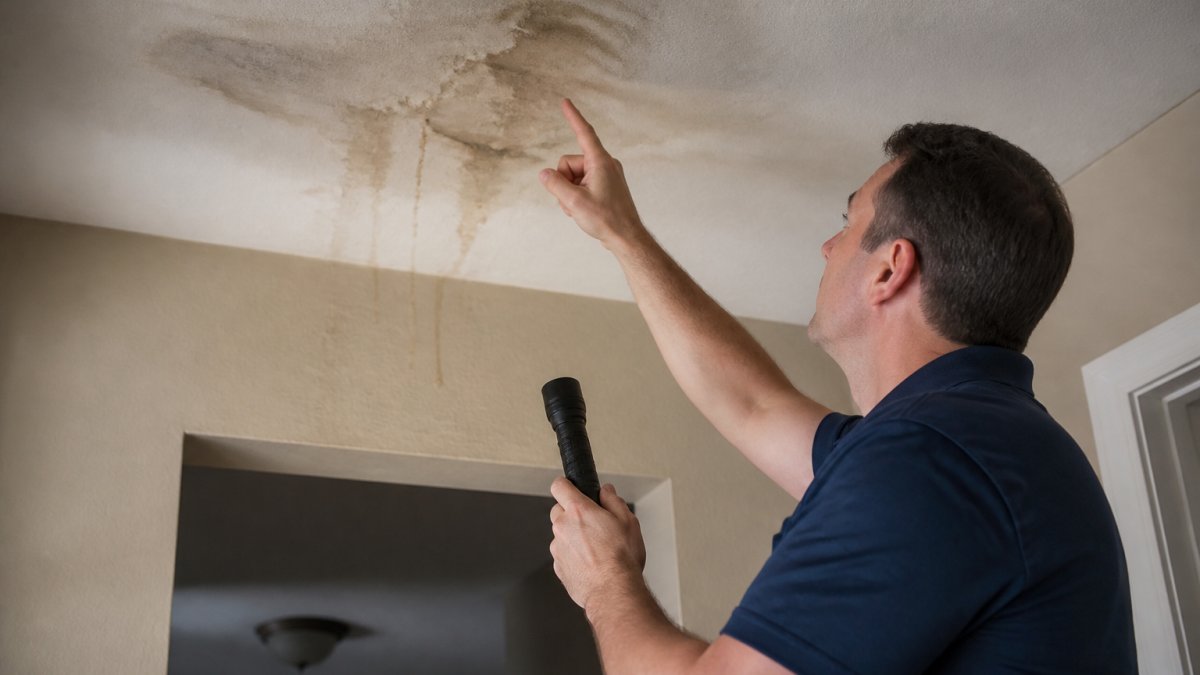
- Photograph any water infiltration stains on the ceiling below, match to roof location
- Note ponding water that stays more than 48 hours, measure the deepest point
- Confirm roof ventilation and exhaust fans are clear, check for bird nests and debris
- Inspect membrane seams on flat roofs for peeling or bridging
- Check rooftop HVAC curbs and pipe boots for cracked seals
- Verify roof hatches and access panels close and latch properly
The Occupational Safety and Health Administration guidance on walking-working surfaces sets the fall-protection rules that apply to any roof walk, including your own staff. A common pattern is to treat the walk as a quick visual pass; most practitioners find that a documented, graded walk takes 60-90 minutes on a typical school roof and produces a far more defensible record.
Documentation matters as much as the walk. Date every photo. Note who inspected and what they saw. Grade every finding. That record is your proof of care at budget time, and it is the difference between a maintenance line item the board funds and one it defers.
How to Set Commercial Roof Inspection Frequency for School Buildings
Commercial roof inspection frequency for schools should be twice a year at minimum: once in spring and once in fall. Add a walk-through after any major storm.
Two visits catch the seasonal swing. Fall prep finds damage before winter freeze. Spring checks catch what winter left behind.
Age and condition change the schedule. A roof past its expected lifespan needs quarterly checks. A newer roof may hold at twice a year.
Set the frequency in writing. Put it on the district calendar. A schedule nobody owns is a schedule nobody keeps.
Build a Roof Maintenance Plan Template That Your Crew Can Follow
A roof maintenance plan template is a one-page document that lists what gets checked, who checks it, and when. Keep it short enough that a custodian can follow it without training.
Use this structure:
| Section | What to Include | Owner |
|---|---|---|
| Inspection dates | Spring, fall, post-storm | Facility director |
| Checklist items | The walk list from above | Maintenance crew |
| Photo log | Dated images of each issue | Inspector |
| Repair log | What was fixed, when, by whom | Facility director |
| Budget line | Annual set-aside amount | Business office |
Fill it in once. Update it after each visit. The template becomes your roof's history.
A common mistake is making the plan too long. A ten-page plan gets filed. A one-page plan gets used.
Gutter, Drainage, and Flashing Checks That Prevent Water Damage
Water damage starts at the edges, not the middle. Gutters, downspouts, and flashing are where most leaks begin. Clear them and you stop most problems early.
Gutters and downspouts carry water away from the building envelope. When they clog, water backs up under the roof edge. That is where rot starts.
Flashing seals the joints where the roof meets walls, vents, and chimneys. Sealant failure there lets water slip behind the surface. Check every joint by hand.
- Clear debris removal from gutters each season
- Confirm downspouts run water away from the foundation
- Re-seal any cracked flashing before winter
- Check roof drainage paths for blockages
- Look for rust or separation at metal edges
A Whole Building Design Guide overview of roofing and waterproofing explains how the building envelope depends on these drainage systems working together.
How to Build a School District Roofing Budget That Survives a Decade
A school district roofing budget should set aside a fixed amount every year for maintenance and a separate reserve for replacement. Ten-year planning beats annual scrambling.
Split the money into two buckets. One covers routine maintenance, inspections, gutter clearing, sealant touch-ups, minor repairs. The other builds toward capital expenditure for full replacement. The maintenance bucket is predictable; the reserve bucket is where the discipline lives.
A workable pattern most facility directors use is to fund the maintenance bucket at a fixed annual line and grow the reserve by a set percentage of the roof's replacement value each year. If a full replacement is projected at a known figure, dividing that figure by the roof's remaining expected service life gives a rough annual reserve target.
Deferred maintenance is the trap. Skipping small repairs to save money now pushes the cost into future budgets at a higher price. A $2,000 flashing repair deferred for two years often becomes a wall-cavity repair that costs many times more. Track deferred items explicitly so the board sees the trade-off rather than discovering it later.
Insurance compliance is the lever most districts underuse. Document every inspection, repair, and photo in a dated file. When a storm claim or a coverage review arrives, that file is the proof of care that supports the claim and defends the budget. Insurers and boards ask for evidence of a maintenance program; a dated record answers that question directly.
Track a simple cost-benefit analysis each year. Compare what you spent on maintenance against what an emergency repair would have cost. That number makes the case to the board in language they already understand.
At GM Systems Commercial Roofing, we build roof assessments that show condition in plain terms. That gives administrators data to defend a long-term budgeting line.
Safety and Documentation Rules for Volunteer and In-House Roof Work
Volunteers should never walk a school roof. In-house staff can do ground-level checks and gutter clearing from ladders only when trained. Roof-level work belongs to qualified crews.
This is the safety rule most volunteer programs break. A well-meaning parent on a roof is a liability, not help.
Keep volunteers to these tasks:
- Ground-level visual checks with binoculars
- Reporting ceiling stains and drips indoors
- Clearing debris from downspout outlets at grade
- Photographing issues for the maintenance log
Documentation protects the district. Keep inspection records, repair logs, and photos together. Insurers and boards ask for proof of care, and a dated file answers that question.
Conclusion: Turn Proactive Roof Maintenance for Schools Into a Calendar Item
The hardest part of proactive roof maintenance for schools is not the work. It is remembering to schedule it. Put the dates on the district calendar and assign an owner.
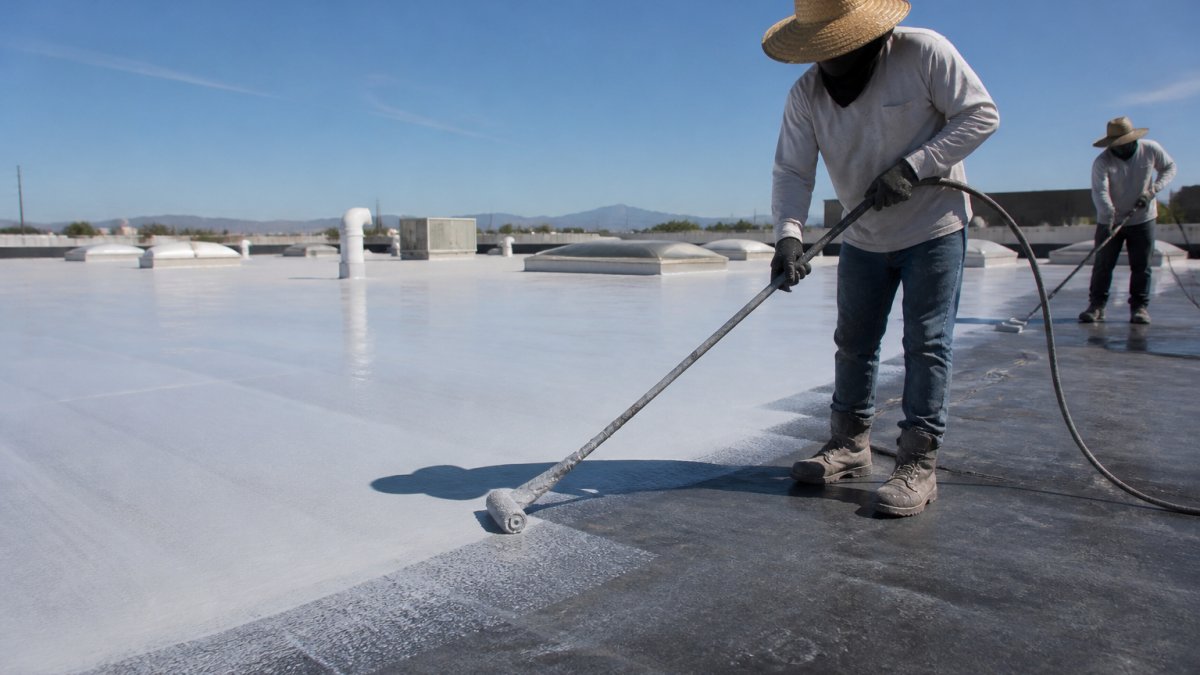
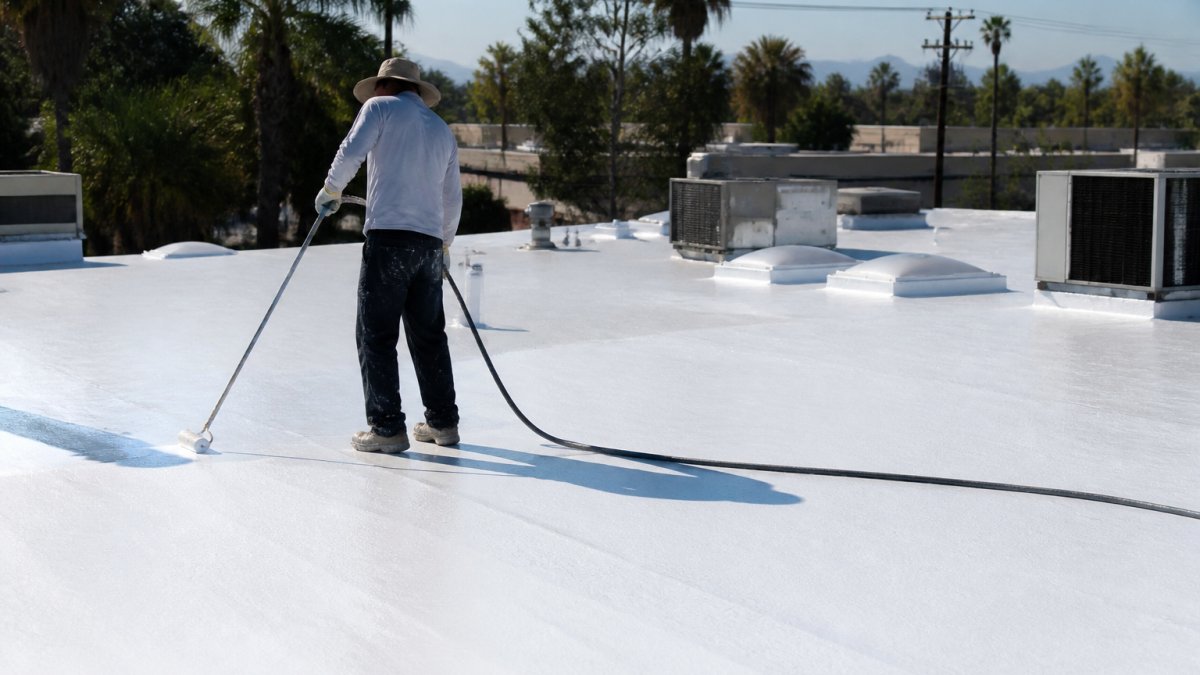
GM Systems Commercial Roofing helps facility directors stop leaks and extend the life of existing roofs. Our proactive maintenance plans and detailed roof analysis give you clear, data-backed insight into roof condition. We also handle targeted repairs and energy-efficient reflective roof restoration to lower heat load and long-term costs.
Get a free roof analysis from GM Systems Commercial Roofing and turn your roof from a surprise expense into a planned line item.
Frequently Asked Questions
What should a school roof maintenance plan include?
A workable plan names who inspects, what they check, and when. Include a written school roof inspection checklist covering membrane seams, flashing, drains, and penetrations; a calendar with fall and spring walk-throughs plus checks after severe storms; a roof maintenance plan template with fields for photos and repair dates; and a line in the school district roofing budget for routine repairs. Store everything in one file so a new facility director can pick it up without starting over.
How often should school roofs be inspected?
Set commercial roof inspection frequency at twice a year, once in spring and once in fall, plus a walk-through after any hail or high-wind event. Flat roofs on older school buildings benefit from a mid-summer check of drains and seams before storm season. If the roof is past 15 years or has a history of leaks, quarterly visits are reasonable. The point of proactive roof maintenance is catching small failures while a patch still works.
How can schools prevent roof leaks and water damage?
Most leaks start at details, not the field of the roof. Keep gutters and downspouts clear, tighten or replace sealant at flashing and penetrations, and confirm drains pull water off the roof within 48 hours of a storm. Log every repair with photos. Water travels far from the entry point, so a stain on a classroom ceiling rarely sits under the actual hole. A documented inspection history is what lets a roofer trace it back.
How can schools budget for roof maintenance?
Treat roof care as a recurring line item, not a one-time capital request. Many districts set aside a fixed annual amount per roof square foot for routine repairs and inspections, then track deferred maintenance separately so small problems do not pile into a replacement. A cost-benefit analysis comparing spot repairs against restoration or full replacement should run every few years. Get a free roof analysis to see where your buildings stand before the next budget cycle.