 blog
Best Reflective Roof Coatings 2026: Selection & ROI
Table of Contents
- What Makes Reflective Roof Coatings Work
- Types of Reflective Roof Coatings: Acrylic, Silicone, and Polyurethane
- Commercial Roof Restoration Benefits You Can Measure
- How to Improve Building Energy Efficiency with Roof Upgrades
- Reflective Roof Coating Cost Per Square Foot: What Affects Your Price
- Application Process and Surface Preparation Requirements
- Durability, Warranties, and Long-Term Performance
- Frequently Asked Questions
Last Updated: September 30, 2026
What Makes Reflective Roof Coatings Work
Reflective roof coatings are protective layers applied to existing roofs that bounce solar radiation away from your building, reducing cooling loads, lowering energy consumption, and extending roof life without the cost and disruption of full replacement.
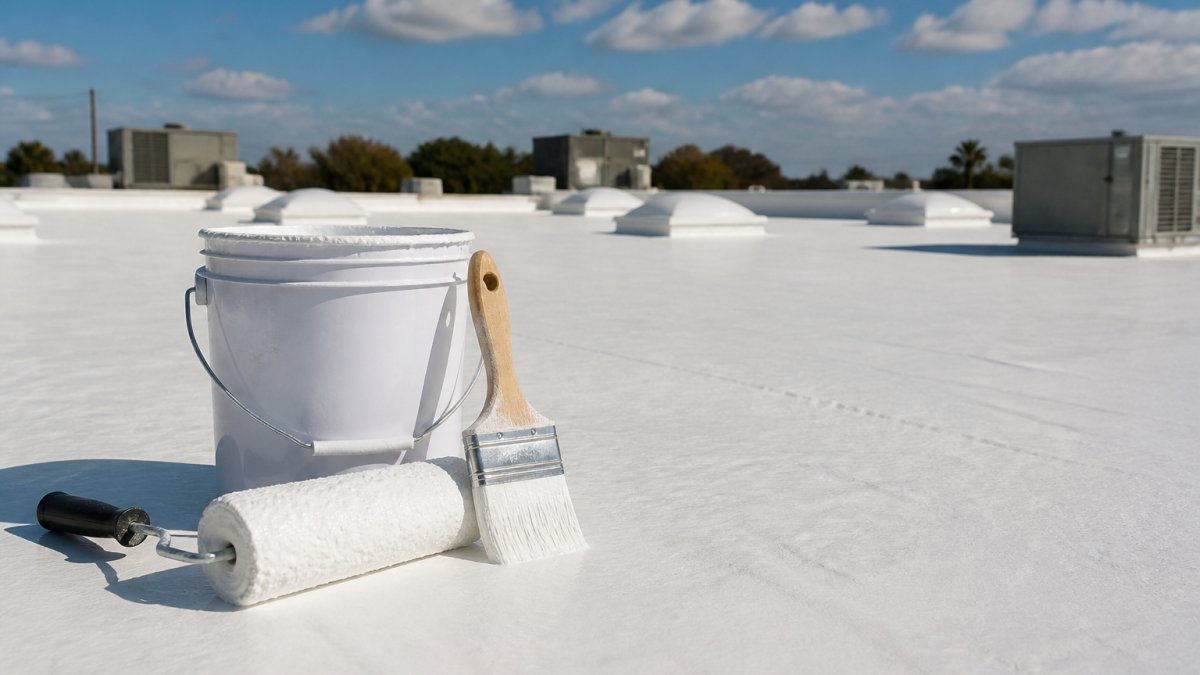
Reflective roof coatings contain pigments and binders that increase solar reflectivity, the percentage of sunlight your roof bounces back rather than absorbs. High thermal emittance (the roof's ability to release absorbed heat) keeps surface temperatures significantly lower than dark roofs, reducing the heat island effect and cutting HVAC workload.
Schools, warehouses, and office buildings all benefit from the same core technology; the difference lies in selecting the coating type that matches your roof substrate, climate zone, and performance goals.
Types of Reflective Roof Coatings: Acrylic, Silicone, and Polyurethane
Reflective roof coatings come in three primary chemistries, each with distinct performance profiles and substrate compatibility requirements.
Acrylic Coatings
Acrylic coatings are water-based, lower-cost reflective roof coatings offering solid performance in moderate climates. They cure quickly, emit low VOCs, and provide solar reflectivity of 0.65-0.75 with thermal emittance around 0.75-0.85.
The tradeoff is durability. Acrylic coatings are more susceptible to UV degradation and moisture infiltration than silicone and polyurethane alternatives. In humid regions or where standing water collects, they require recoating every 5-7 years. For facilities with tight budgets and moderate climate exposure, acrylic reflective roof coatings remain practical.
Silicone Coatings
Silicone-based reflective roof coatings excel in wet and humid climates, resisting moisture penetration and UV degradation more effectively than acrylics, with solar reflectivity of 0.70-0.85 and thermal emittance of 0.75-0.85.
Silicone coatings shed water rather than pooling, making them ideal for regions with frequent rain. They resist mildew and algae growth better than acrylics, with service life extending to 10-15 years. The drawback is cost, silicone coatings run 20-40% higher per square foot than acrylic, and recoating difficulty; adhesion of new coatings over weathered silicone requires careful surface preparation.
Polyurethane Coatings
Polyurethane reflective roof coatings deliver the highest tensile strength and best resistance to foot traffic and mechanical damage, with solar reflectivity of 0.65-0.80 and thermal emittance of 0.75-0.85.
Polyurethane is your choice when durability and abuse resistance matter most. Manufacturing facilities and warehouses with rooftop equipment benefit from polyurethane's toughness, with service life often exceeding 15 years. The tradeoffs are higher cost and longer curing time (5-7 days). Moisture during curing can cause blistering, so careful application is essential.
Commercial Roof Restoration Benefits You Can Measure
Applying reflective roof coatings to an aging roof stops leaks, extends functional life, and reduces operational costs within the first year.
The primary benefit is energy efficiency. A reflective roof coating reduces cooling load by 10-30% depending on climate, existing roof condition, and coating reflectivity.
Reduced roof surface temperature extends the life of the underlying membrane by reducing thermal stress and UV damage. Many facilities delay or eliminate full roof replacement for 5-10 additional years.
Leak prevention is immediate. Proper coating application seals cracks and stops water intrusion, preventing interior damage, mold, and structural deterioration.
How to Improve Building Energy Efficiency with Roof Upgrades
Upgrading to reflective roof coatings is one of the most cost-effective ways to improve building energy efficiency, since cooling loads represent 30-50% of total HVAC energy consumption in commercial buildings.
Regional Climate Suitability: Matching Coatings to Your Environment
Selecting the right coating chemistry for your region is critical to performance and ROI.
Hot, Arid Climates (Southwest, Desert Regions) Acrylic and polyurethane reflective roof coatings excel in low-humidity, high-temperature zones. Cooling load reductions of 20-30% are typical, with recoating every 7-8 years remaining cost-effective. Polyurethane is preferred if the roof experiences heavy foot traffic or rooftop equipment.
Humid, High-Rainfall Climates (Southeast, Gulf Coast, Pacific Northwest) Silicone reflective roof coatings are optimal in humid regions. Silicone's hydrophobic properties shed water and prevent pooling, with service life extending to 12-15 years. If your roof has history of ponding water or salt spray exposure, silicone is non-negotiable.
Moderate, Four-Season Climates (Midwest, Northeast, Mid-Atlantic) Acrylic works well for facilities with minimal rooftop activity. Polyurethane is preferred for buildings with HVAC units, rooftop solar panels, or other equipment. Cooling load reductions of 15-20% are typical.
Calculating Your Energy Savings and Payback Period
To estimate energy savings, multiply your roof area by the cooling load reduction percentage for your climate (15-30%), then apply your local electricity rate. A 50,000-square-foot warehouse in a hot climate with a 25% cooling load reduction typically saves $8,000-$12,000 annually on cooling costs.
Pricing for reflective roof coatings varies depending on the type of coating, roof size, and condition. For current prices and a detailed quote, please contact GM Systems Commercial Roofing directly.
Substrate Compatibility and Pre-Installation Assessment
Evaluate your roof substrate before selecting a coating. Metal roofs, single-ply membranes (TPO, EPDM, PVC), built-up roofs, and modified bitumen each require compatible systems.
- Metal roofs: Acrylic and polyurethane coatings adhere well; silicone requires careful surface preparation.
- TPO membranes: Silicone and polyurethane are preferred; acrylic can work but requires a compatible primer.
- EPDM rubber: Silicone is ideal; acrylic and polyurethane require surface treatment.
- Built-up tar roofs: Polyurethane and silicone perform best; acrylic may not adhere without extensive preparation.
A professional roof assessment identifies substrate type, existing coating condition, and repairs needed. Professional application ensures proper surface preparation, cleaning, priming, mil thickness, and curing time.
Reflective Roof Coating Cost Per Square Foot: What Affects Your Price
Reflective roof coating pricing depends on multiple factors. Research from the U.S. Department of Energy on cool roof technologies confirms that cost-effectiveness varies by region, building type, and coating chemistry.
Coating type drives the base cost. Acrylic reflective roof coatings are the most affordable option. Silicone coatings run 20-40% higher per square foot due to superior durability and moisture resistance. Polyurethane coatings are the most expensive, reflecting their tensile strength and service life.
Roof condition affects total project cost.
Application Process and Surface Preparation Requirements
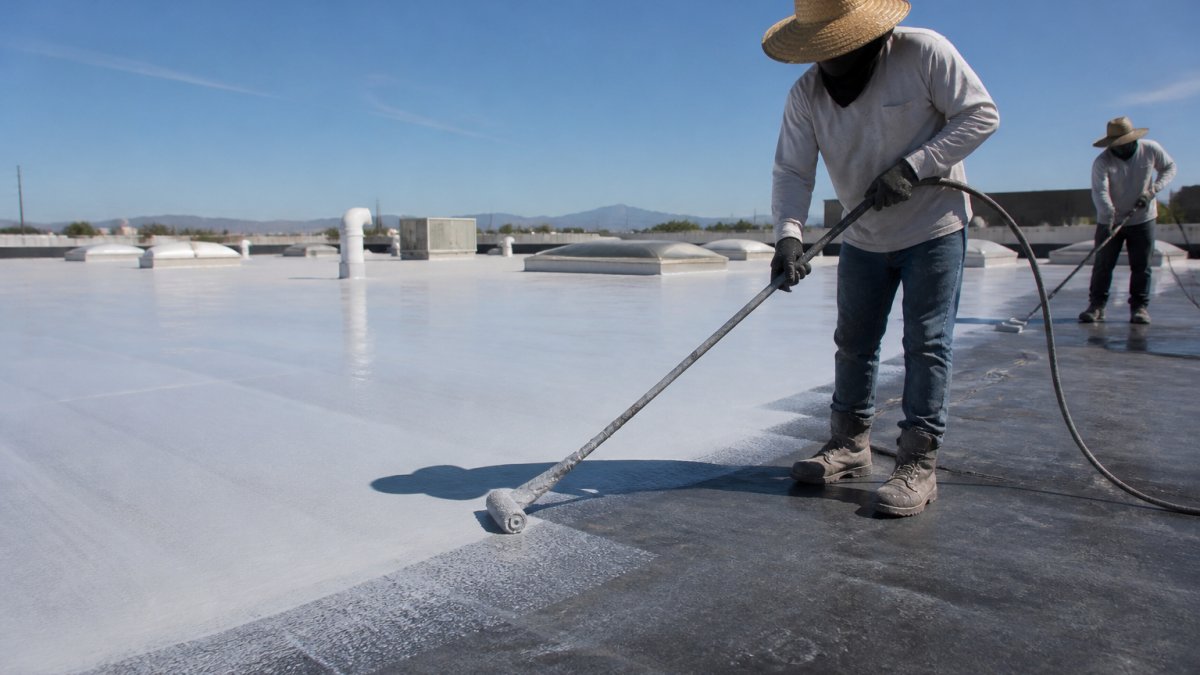
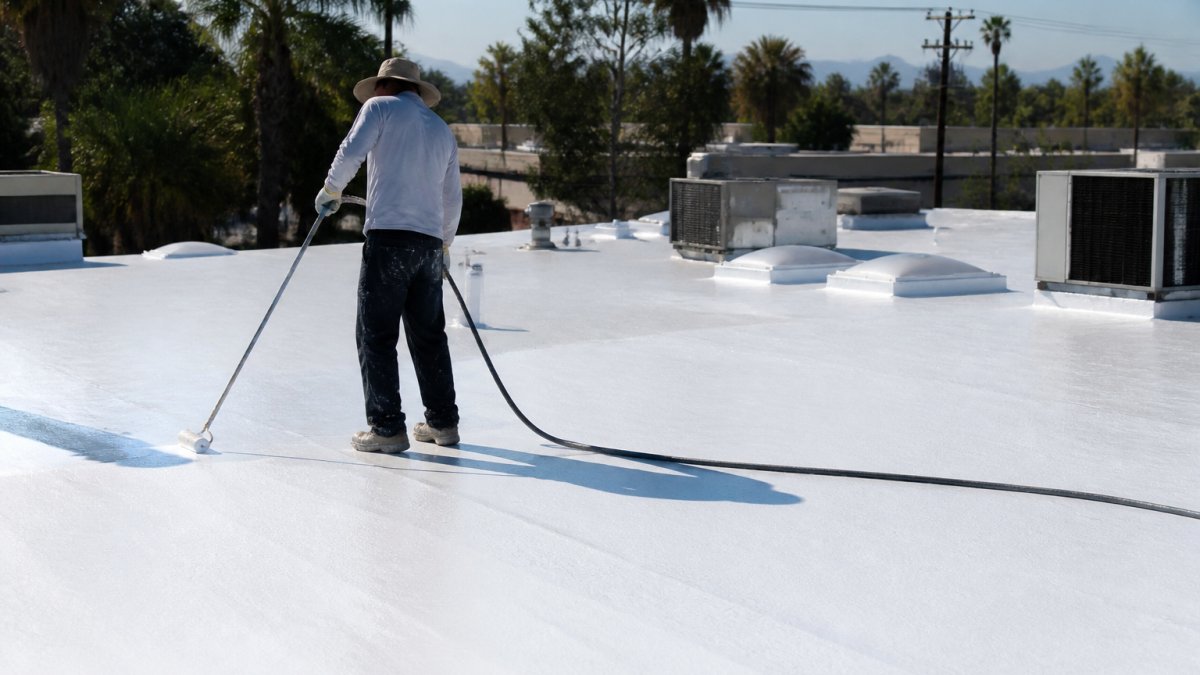
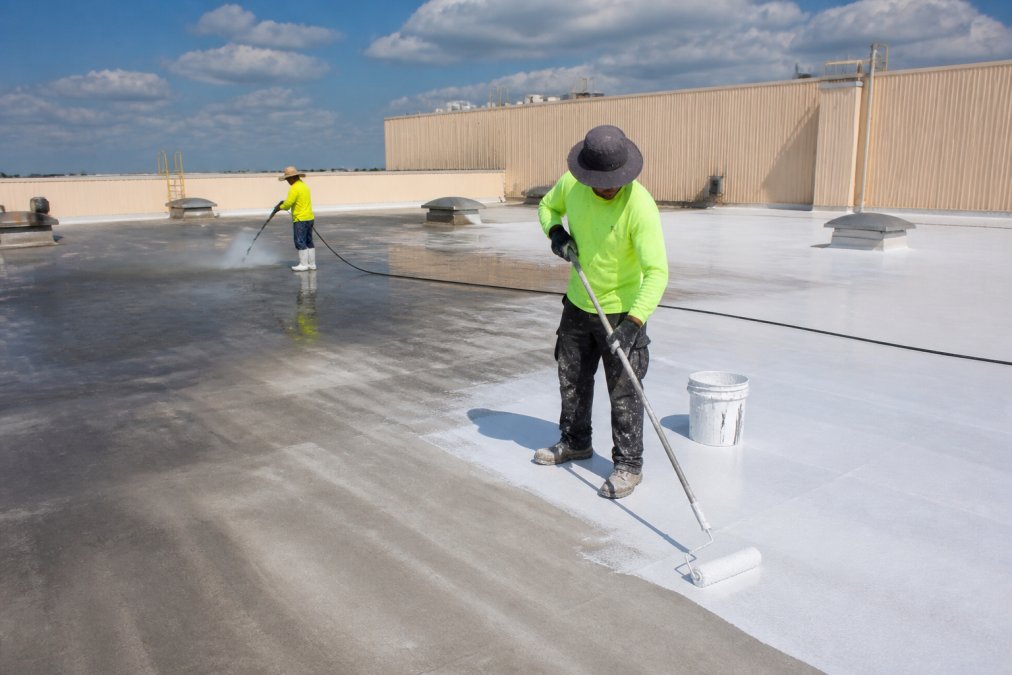
Professional application of reflective roof coatings follows a standardized process. Surface preparation is critical to adhesion and lifespan.
Durability, Warranties, and Long-Term Performance
Reflective roof coatings deliver value only if they perform for their intended service life. Understanding durability factors, warranty coverage, and long-term maintenance costs protects your investment.
Service Life and Real-World Performance Timelines
Service life depends on coating type, climate, and maintenance:
- Acrylic coatings: 5-7 years in moderate climates, 4-5 years in humid or extreme climates. Reflectivity typically declines 10-15% by year 5.
- Silicone coatings: 10-15 years in humid climates, 8-12 years in arid climates. Reflectivity decline is typically 5-10% over the service life.
- Polyurethane coatings: 12-18 years across most climates, with reflectivity decline of 3-8% over service life.
These timelines assume annual inspections and basic maintenance. Neglected roofs fail 2-3 years earlier; well-maintained roofs often exceed these estimates.
UV Resistance and Reflectivity Degradation
UV resistance determines how quickly the coating loses its reflective properties. High-quality reflective roof coatings use UV-stabilized binders and durable pigments that resist fading longer than budget alternatives. Titanium dioxide (TiO₂) is the most common reflective pigment; coatings with higher TiO₂ content maintain reflectivity longer but cost more.
Moisture Resistance and Substrate Protection
Weatherproofing and moisture resistance are critical in humid or rainy regions. Silicone and polyurethane coatings resist water penetration better than acrylic. In high-humidity climates, moisture can penetrate acrylic coatings within 3-4 years, causing the underlying membrane to degrade. Silicone's hydrophobic properties prevent this; water beads and runs off rather than soaking in.
Warranty Coverage and What It Actually Protects
Most reflective roof coatings carry 10-15 year manufacturer warranties covering material defects. However, warranty terms are often narrower than expected.
Long-Term Maintenance Costs: The 10-Year Total Cost of Ownership
Initial coating cost is only part of the financial picture. Maintenance expenses over the coating's lifespan significantly impact total cost of ownership.
Maintenance Best Practices to Extend Coating Life
Proactive maintenance extends coating life by 2-3 years and preserves energy savings:
- Annual inspections: Walk the roof or use drone photography to identify cracks, blistering, or areas where reflectivity has declined.
- Cleaning every 2-3 years: Pressure wash at low pressure (below 1,500 PSI) to remove algae, mildew, and debris. In humid climates, annual cleaning may be necessary.
- Crack repair: Seal any cracks wider than 1/8 inch with silicone or polyurethane sealant compatible with your coating.
- Debris removal: Keep gutters, downspouts, and roof drains clear. Ponding water accelerates coating degradation.
- Avoid foot traffic: Limit rooftop access to necessary maintenance.
- Document everything: Keep records of inspections, cleaning, repairs, and any warranty claims.
Frequently Asked Questions
Does reflective roof coating really work for reducing energy costs?
Yes. Reflective roof coatings reduce solar heat absorption by reflecting UV rays away from the roof surface, which lowers cooling load in warm months. The magnitude of savings depends on your current roof condition, local climate, building insulation, and HVAC efficiency. Schools and warehouses in the Midwest typically see measurable reductions in air conditioning runtime during peak seasons. A detailed roof analysis can estimate your specific potential savings based on your facility's characteristics and current energy usage patterns.
How long does a reflective roof coating last?
Service life typically ranges from 10 to 20 years, depending on coating type, climate exposure, maintenance, and installation quality. Silicone coatings generally outlast acrylic in wet climates due to superior moisture resistance. Polyurethane offers excellent UV resistance and durability in harsh conditions. Warranty periods often reflect expected service life, though actual longevity depends heavily on proper surface preparation, application rate, and ongoing maintenance. Regular inspections help catch degradation early and extend the functional life of your coating system.
What's the difference between reflective roof coating cost per square foot and total project cost?
Material cost per square foot covers only the coating itself. Total project cost includes surface preparation, primer application, labor, equipment, and overhead. Preparation is critical, a poorly prepared substrate will fail prematurely, negating savings. Factors affecting total cost include roof size, current condition, accessibility, coating type, mil thickness applied, and whether professional installation is used. Getting a detailed quote ensures you understand what's included and can compare fairly across providers.
Should we do reflective roof restoration or wait for a full roof replacement?
Restoration with reflective coatings extends roof life, improves energy efficiency, and stops active leaks at a fraction of replacement cost. It's ideal if your roof membrane is structurally sound but showing age or energy inefficiency. Replacement becomes necessary if the underlying membrane has extensive damage, multiple active leaks, or has reached end of service life. A professional roof analysis identifies your roof's actual condition and remaining lifespan, so you can make a data-backed decision rather than guessing. Proactive restoration often delays replacement by 10+ years while delivering immediate energy and operational benefits.